New Orleans is shaped by centuries of migration and cultural exchange. Its traditions carry the influence of many peoples and places, layered over generations and still evolving. Traiteur Amaro grows out of this living history.
Made in New Orleans, Traiteur brings together the bitter herbs of traditional Italian amaro and botanicals long used in the folk healing practices of South Louisiana. Its name comes from traiteur (tray-TUR), a Cajun French word for a traditional healer. The practice itself draws on generations of Indigenous, African, and European knowledge and cultural exchange.
Richly layered and aromatic, Traiteur combines the earthy warmth of sassafras, roasted chicory, and red bay with tea-like tannins and the roundness of swamp mallow. Notes of mint and citrus bring brightness, followed by the distinctive tingle of prickly ash and a clean, lingering bitterness.
Through flavor, art and storytelling, Traiteur explores connections between people, plants, and place. Its illustrated label and botanical stories celebrate traditions that are inherited, adapted, and continually evolving.
01 —
The Traiteur Tradition
Across South Louisiana, traiteurs (tray-TUR) are traditional folk healers whose knowledge and practices have been passed down through generations. The name comes from the French traiter, meaning “to treat,” but the tradition reaches beyond any single cultural heritage.
At the heart of the traiteur tradition is something deeply rooted in Louisiana life: neighbors taking care of one another. It reflects a close relationship with the land, a knowledge of what grows and thrives here, and the resourcefulness of people accustomed to making do with what they have.
Traiteur healing is also an act of faith. Through prayer, blessings, and ritual gestures, traiteurs offer themselves as conduits for divine healing. They do not claim the power to heal as their own, but believe they have been entrusted with a gift from God to be shared with those in need. Traditionally, no money changes hands. Healing is freely given, sometimes met with a gift of food or another gesture of gratitude, but never treated as a transaction.
The prayers and practices are often passed down within families or entrusted to someone chosen to carry them forward. While closely associated with Cajun Catholic traditions, traiteur healing is part of a broader history of folk medicine in South Louisiana, where Indigenous, African, European, and Caribbean traditions have long existed alongside and influenced one another. These histories are distinct, and practices vary among families and communities.
We named Traiteur Amaro in honor of these healers and what their tradition represents: generosity, faith, resourcefulness, and a deep knowledge of place. Our spirit is not a traditional remedy, but draws inspiration from the region’s botanical heritage and the enduring relationships between people, plants, and community.
02 —
Ingredients & Botanicals
Traiteur’s botanical profile combines the structure of Italian amaro with plants associated with the landscapes and traditions of the Gulf South.
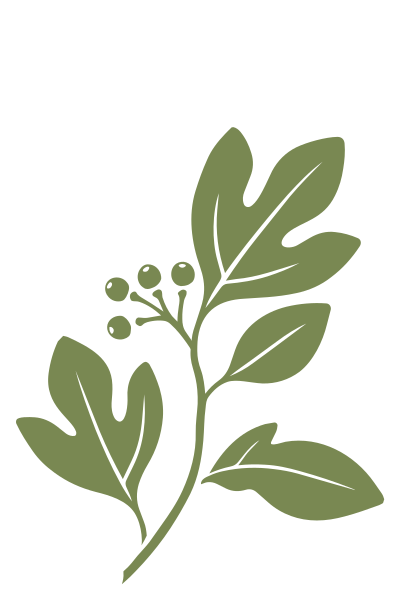
Sassafras / Gombo Filé
Sassafras albidum
A native plant with longstanding associations with regional foodways and botanical traditions. Contributes earthy warmth to Traiteur.
Traditional uses: Powdered leaves (gumbo filé) made into poultices for insect stings and snakebites. Root boiled into tea as a remedy for measles and as a blood tonic.
Flavor: Earthy, spicy, rooty warmth.
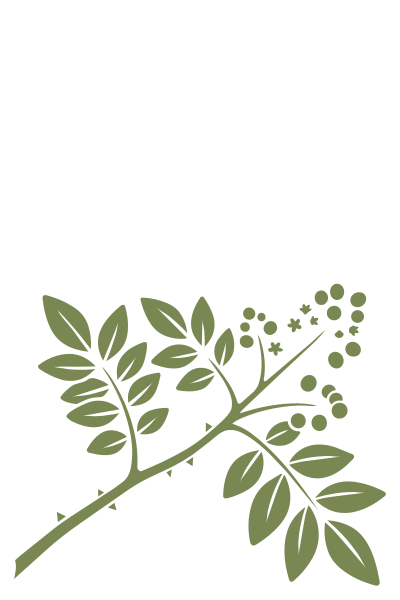
Prickly Ash / Frêne Piquant
Zanthoxylum clava-herculis
A native botanical known as the toothache tree, related to the Sichuan peppercorn.
Traditional uses: Leaves and bark packed against the mouth to relieve pain.
Flavor: Tingling, numbing spice, citrusy.
Red Bay / Petit Laurier
Persea borbonia
A native bay leaf with culinary, medicinal, and spiritual importance.
Traditional uses: Leaves and twigs brewed as tea to prevent chills, and treat colds. Bark used for colds and liver ailments.
Flavor: Resinous, savory, herbal warmth.
Fun fact: Red bay leaves are arranged in the form of a cross when placed in a pot for cooking or placed above an entryway for protection.
Swamp Mallow / Guimauve
Hibiscus lasiocarpus
A native hibiscus with white and pink flowers often found on river banks, related to marsh mallow.
Traditional uses: Root prepared as tea or syrup for colds, whooping cough, and aid in digestion.
Flavor: Soft floral body, roundness, warmth, and subtle sweetness.
Elderberry / Sureau
Sambucus canadensis
One of the most widely used plants in Cajun and Creole medicine.
Traditional uses: Flowers brewed as tea for fever, chills, headaches, and cold symptoms. Flower tea used for measles. Pith used as a wash for sore eyes. Leaf poultices for muscle and joint pain, wounds, rashes, chest congestion, and headaches.
Flavor: Dark fruit, gentle floral depth.
03 —
Flavor & Serving
Traiteur’s layered botanical character makes it equally at home in a simple pour or a carefully composed cocktail. Enjoy it neat, over ice, lengthened with soda or tonic, or as an herbal, bittersweet component in both classic and contemporary cocktails.
04 —
Product Details
- Producer: Mamou Spirits Co.
- Made in New Orleans, Louisiana
- Category: Amaro / Herbal Liqueur
- Bottle size: 750 mL
- Alcohol content: 25% ABV / 50 proof
05 —
Awards & Recognition
2026 San Francisco World Spirits Competition
- Double Gold Medal
- 99 Points
2026 American Distilling Institute International Spirits Competition
- Double Gold Medal
- 96 Points
- Best in Category
- Best in Class